

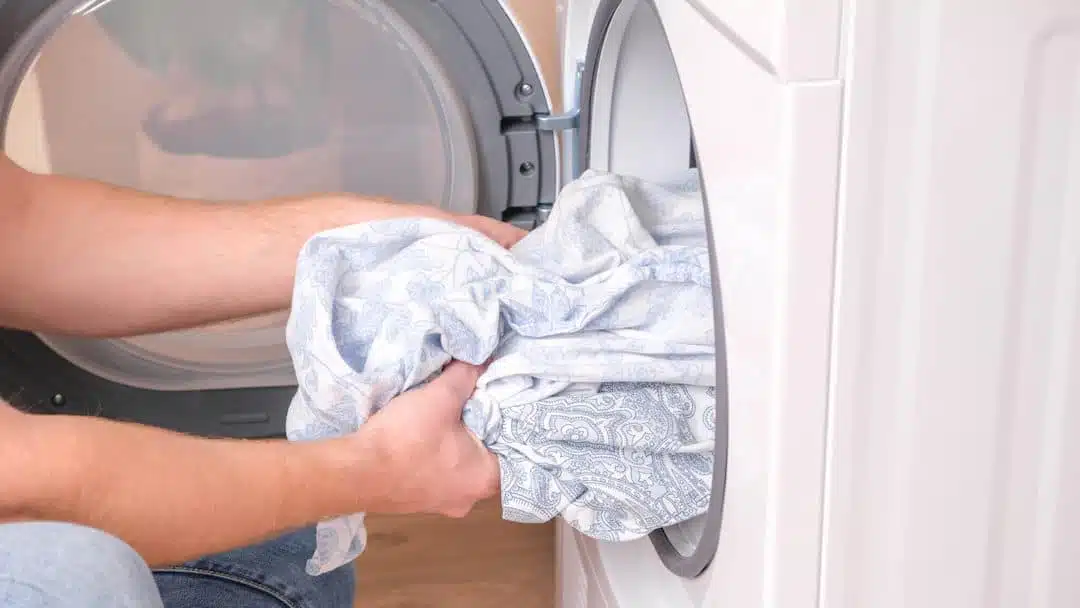
Your laundry has been in the dryer for over an hour, and your clothes are still damp. If your dryer is not drying clothes properly, you are not alone. This is one of the most common household complaints in Montreal, and the cause is almost always hiding somewhere you cannot see.
The good news? Most of the time, why your dryer is not working the way it should comes down to one fixable issue: a blocked or poorly installed dryer vent. Understanding the root cause can save you from a costly repair call and, more importantly, protect your home from a serious fire risk.
When your dryer takes too long to dry a single load, the first place to look is the exhaust vent. Over time, lint, dust, and debris build up inside the vent duct. This restricts airflow and traps heat inside the drum, forcing your dryer to work twice as hard to push moisture out.
In Montreal homes, especially those built before the 2000s, dryer vents are often long, routed through walls or floors, and rarely cleaned. That combination creates the perfect conditions for blockages. When air cannot escape, your clothes stay wet and your energy bill quietly climbs.
The Quebec Construction Code sets clear standards for dryer vent installation. Following these rules is not just about compliance. It directly affects whether your dryer is not drying clothes efficiently or running as it should.
Here is what the Code requires for a compliant dryer duct:
- The duct must be rigid, smooth, and made of metal
- The recommended diameter is 4 inches (10 cm)
- The duct must run as short and straight as possible
- Elbows and fittings must not have screws protruding inside the pipe
- The vent must connect to an exterior opening with a damper that opens when the dryer runs
- If the duct passes through an unheated space, it must be wrapped in an insulating sleeve
Each 90-degree bend in the duct counts as roughly 10 feet of extra length when measuring airflow resistance. If your vent has multiple bends and exceeds 25 feet total, it can significantly slow drying time. That is often why your dryer is not working as expected, even when the appliance itself is in perfect condition.
According to manufacturer guidelines and the Quebec Construction Code, your dryer vent duct should not exceed 25 feet (7.5 metres), including the resistance added by any bends or elbows. For every 90-degree elbow, subtract roughly 10 feet from that total allowance.
If your setup exceeds that limit, your dryer will take too long to dry clothes and may struggle to complete a cycle safely. In those cases, a professional can install an auxiliary exhaust booster fan to maintain proper airflow. Some installers also upgrade to a 5-inch diameter duct for runs longer than 25 to 30 feet.
If your dryer is not drying clothes in one cycle, it is trying to tell you something. Here are the most reliable warning signs that your vent is overdue for a professional clean:
- Clothes feel hot but remain damp after a full cycle
- The dryer exterior or laundry room feels unusually warm
- You notice a burning or musty smell during operation
- Drying a normal load takes 60 minutes or more
- The lint trap fills up faster than usual
- The exterior vent flap does not open fully when the dryer runs
Any one of these signs is enough reason to call a professional. Ignoring them does not just leave you with wet laundry. It raises the risk of a dryer fire, which is one of the leading causes of residential fires in Canada.
A blocked vent does more than explain why your dryer is not working efficiently. It creates a buildup of heat and lint inside a confined space, which is highly flammable. The National Fire Protection Association (NFPA) reports that failure to clean dryer vents is the leading cause of dryer fires in North America.
Beyond fire risk, a blocked vent forces your dryer motor and heating element to run under constant strain. This shortens the lifespan of the machine and increases your electricity or gas costs every single month. Solving the airflow problem is almost always cheaper than replacing the appliance.
Montreal’s long winters mean dryers run heavily from October through April. That extended use accelerates lint buildup inside the duct. Older homes in neighborhoods like Plateau-Mont-Royal, Rosemont, and Verdun often have complex duct routes that make buildup worse and cleaning harder to do yourself.
Condos and multi-unit buildings are another concern. Shared vertical venting systems can collect lint from multiple units, and a dryer that takes too long to dry in one unit may signal a blockage affecting several neighbors. In those buildings, annual professional cleaning is not optional, it is essential.
When your dryer is not drying clothes and the vent is to blame, a professional cleaning goes well beyond what a vacuum attachment can reach. Certified technicians use specialized rotary brushes and high-powered suction equipment to clear the entire duct length, from the dryer connection all the way to the exterior cap.
At Nettoyage Imperial, our technicians inspect the duct for code compliance, check the exterior damper, and verify that airflow meets the standards required by the Quebec Construction Code. If we identify a structural problem like an excessive run length or a non-compliant duct material, we flag it so you can address it before it becomes a hazard.
Most cleaning appointments take under an hour and produce immediate results. Homeowners consistently report that after a professional vent cleaning, their dryer stops taking too long to dry and returns to completing loads in a normal 45 to 60 minute cycle.
For most Montreal households, a professional dryer vent cleaning once per year is sufficient. However, if you have a large family, run multiple loads per week, or have pets that shed heavily, cleaning every six months is the smarter choice.
Homes with longer or more complex duct routes should also clean more frequently since those setups trap lint faster. If your dryer is not drying clothes properly and it has been over a year since the last cleaning, that is your answer.
Why is my dryer not drying clothes even though it heats up?
Heat without airflow is the most common cause. If the vent duct is blocked, moisture cannot escape the drum even when the heating element works perfectly. A vent cleaning typically resolves this immediately.
Why is my dryer not working after I cleaned the lint trap?
The lint trap only catches surface debris. The duct behind your dryer collects the rest, and that buildup goes unnoticed for years. A professional cleaning clears the full duct length, not just the trap.
How do I know if my dryer vent meets Quebec Construction Code requirements?
A certified technician can inspect the duct for length, material, diameter, and exterior termination. Common violations include flexible plastic duct, venting into a wall cavity, and ducts exceeding 25 feet without a booster fan.
Can a blocked dryer vent cause a fire?
Yes. Lint is highly flammable, and heat trapped by a blockage creates the conditions for a fire to start. The NFPA identifies clogged dryer vents as the top cause of dryer fires in residential buildings.
My dryer takes too long to dry in my Montreal condo. Who is responsible for cleaning the vent?
In most condos, individual unit owners are responsible for the duct section connected to their dryer. If the building uses a shared vertical vent, the co-ownership or building management is typically responsible for the shared portion.
- A dryer not drying clothes in one cycle is almost always caused by restricted airflow in the vent duct.
- Why your dryer is not working efficiently often comes down to lint buildup, excessive duct length, or non-compliant installation.
- Dryer takes too long to dry? Check for bends in the duct, duct length over 25 feet, and blocked exterior dampers.
- The Quebec Construction Code requires rigid metal duct, a maximum length of 25 feet, and a damper-equipped exterior vent.
- Montreal homes, especially condos and older properties, are at higher risk due to complex duct routes and heavy winter dryer use.
- Annual professional vent cleaning restores normal drying time, reduces energy costs, and eliminates fire risk.
- Nettoyage Imperial provides certified dryer vent cleaning across Montreal, Laval, the North Shore, and the South Shore.