

If you run a restaurant, you already know how stressful health and safety inspections can feel. Even if everything looks clean, there’s always that small worry. Did we miss something? Is everything safe? Are we doing it right?
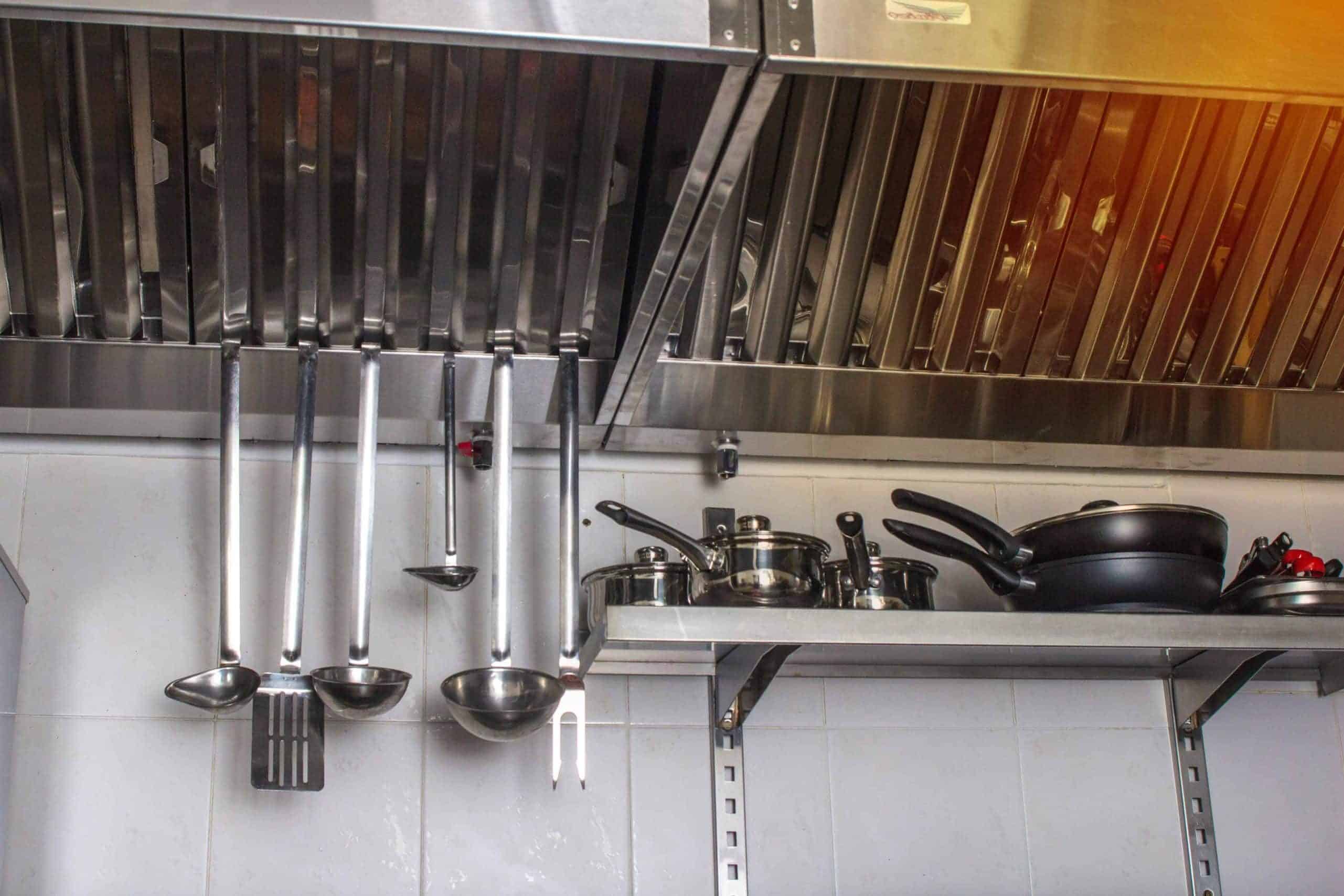
One area that often gets overlooked is the restaurant kitchen hood. That’s where hood cleaning becomes more important than most people realize. It’s not just about appearance. It plays a direct role in whether you pass or fail an inspection.
When inspectors walk into a kitchen, they’re not just looking at counters or floors. They’re thinking about safety like fire risks and air quality. Your restaurant kitchen hood is one of the first things they notice. Why? Because it collects grease, smoke, and heat every single day.
If that system isn’t properly maintained, it raises immediate concerns during health and safety inspections. And in some cases, it can lead to warnings, fines, or even temporary closure.
A lot of restaurant owners assume inspectors just check if the restaurant kitchen hood looks clean. In reality, they’re looking much deeper than that.
Grease Buildup
Even a thin layer of grease can be a red flag. It shows that proper hood cleaning isn’t being done regularly.
Clean Filters and Ducts
Filters should not be clogged or sticky. If they are, it usually means grease is building up deeper in the system.
Proper Airflow
If smoke isn’t being removed properly, inspectors will notice. Poor airflow suggests the system isn’t functioning well.
Overall Maintenance
Loose parts, strange noises, or visible grime all signal neglect. These small details can quickly add up during health and safety inspections.
This is where regular hood cleaning makes a real difference. Instead of scrambling right before an inspection, a clean system keeps you always prepared.
It Shows You’re Proactive
Inspectors can tell when a kitchen is well-maintained versus quickly cleaned up. Investing in professional hood cleaning regularly shows you are responsible and consistent.
It Reduces Fire Risk
Grease is highly flammable. Removing it lowers the risk of fire, which is a major concern during inspections.
It Improves Air Quality
Clean systems remove smoke and heat more effectively. That creates a safer environment for staff. In simple terms, hood cleaning helps you avoid problems before they even come up.
We’ve worked with many kitchens, and a few patterns come up again and again.
Waiting Until It’s Time for Health and Safety Inspections
Some kitchens only schedule hood cleaning right before an inspection. By then, buildup is already too much.
Relying Only on Surface Hood Cleaning
Wiping the outside of the hood might make it look clean, but inspectors check deeper areas too.
Ignoring Small Warning Signs
A slight grease smell or slow airflow might not seem urgent but they’re early signs of a bigger issue. Avoiding these mistakes can make health and safety inspections much less stressful.
You might already have a routine cleaning process in your kitchen. But when it comes to passing health and safety inspections, professional hood cleaning is what really makes the difference.
Deep Cleaning You Can’t Do In-House
Grease builds up in ducts and fans where regular cleaning can’t reach.
Proper Equipment and Expertise
Professionals know exactly where to look and how to clean safely.
Peace of Mind
You don’t have to second-guess whether your systems are ready for health and safety inspections. It’s one less thing to worry about when inspection day comes around.
While professional hood cleaning is essential, a few small habits can help maintain your system:
- Clean filters regularly
- Watch for unusual smoke or smells
- Avoid overheating oil
- Train staff to report issues early
These steps won’t replace deep cleaning, but they help keep things under control.
At the end of the day, health and safety inspections are about protecting people like your staff, your customers, and your business.
And your restaurant kitchen hood plays a bigger role in that than most people expect. Regular hood cleaning isn’t just about staying compliant. It’s about staying ready. Ready for health and safety inspections, ready for safe operations, and ready to avoid costly problems down the line.
If your restaurant kitchen hood hasn’t been cleaned in a while, it might be time to take a closer look before an inspector does!