

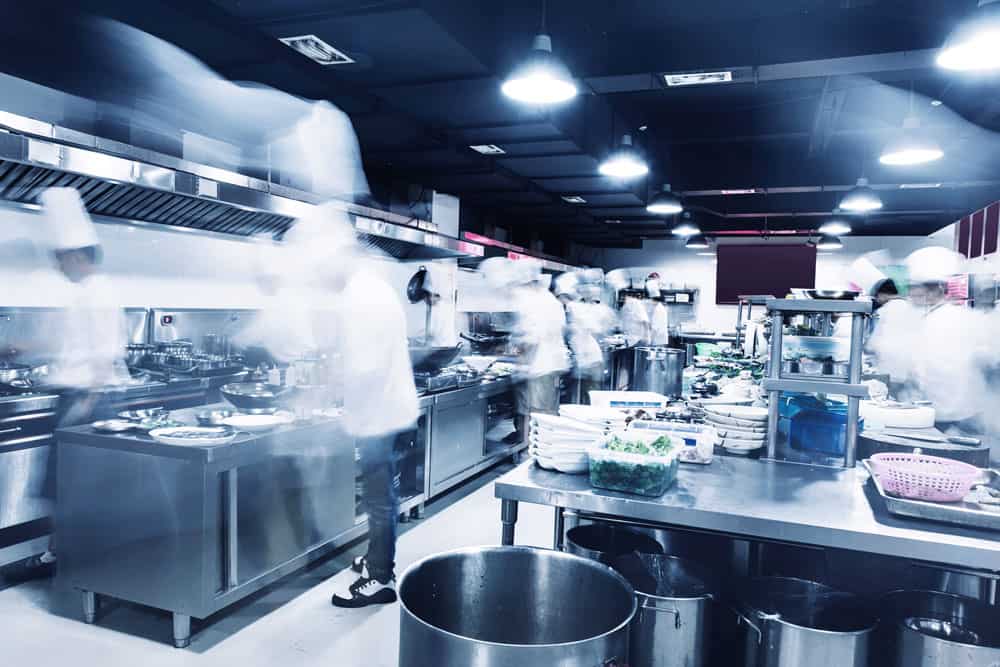
Running a restaurant involves more than just preparing delicious food. You also need to keep your kitchen safe, clean, and in compliance with local regulations. One essential area often overlooked is restaurant hood cleaning.
If you own or manage a restaurant in Quebec, understanding the importance of commercial hood cleaning and maintaining a clean stove hood is not just about aesthetics; it’s a matter of safety, efficiency, and meeting legal requirements.
Let’s investigate the requirements, benefits, and best practices for restaurant hood cleaning and how to clean stove hoods effectively.
In a busy kitchen, cooking oils, grease, and other residues build up quickly. Restaurant hood cleaning is a critical task to ensure your kitchen operates smoothly and safely. The grease that accumulates in your kitchen’s exhaust system can pose a significant fire hazard. This is especially important in Quebec, where stringent regulations exist to protect both the restaurant staff and patrons. Commercial hood cleaning ensures that the exhaust system is free from these hazardous materials and functions properly.
Regular restaurant hood cleaning is necessary to keep your kitchen running at its best. A clean hood ensures better air quality, reduces unpleasant odors, and improves the efficiency of your exhaust system. It also helps maintain your kitchen equipment, preventing costly repairs, and ensuring it operates efficiently.
In Quebec, restaurant hood cleaning is not just a good practice; it’s a requirement. Local fire codes mandate that exhausts hoods and ductwork in commercial kitchens be cleaned regularly to prevent grease buildup, which can easily catch fire. These codes are set by fire safety regulations that are designed to protect both your business and your customers.
How often you need to clean your kitchen exhaust system depends on the type of cooking you do. For instance, if your restaurant uses deep fryers or grills, you’ll need to schedule commercial hood cleaning more frequently due to the higher levels of grease produced. Typically, most Quebec regulations require cleaning every 3 to 6 months, but high-volume kitchens may need it more often.
Failure to comply with these regulations can lead to fines or, in extreme cases, the closure of your restaurant until the necessary cleaning is performed. To avoid any issues with local authorities, it’s essential to keep track of your restaurant hood cleaning schedule and hire a professional service to ensure the job is done correctly.
Knowing how to clean stove hoods effectively is a skill that every restaurant owner should have. While regular restaurant hood cleaning is often best left to professionals, there are still steps you can take to maintain your kitchen cleanliness between professional cleanings. Here are a few tips to help:
- Regular Wiping: After each shift, use a clean cloth to wipe down the stove hood, removing visible grease and grime. This simple step helps prevent the buildup of grease that can eventually cause problems.
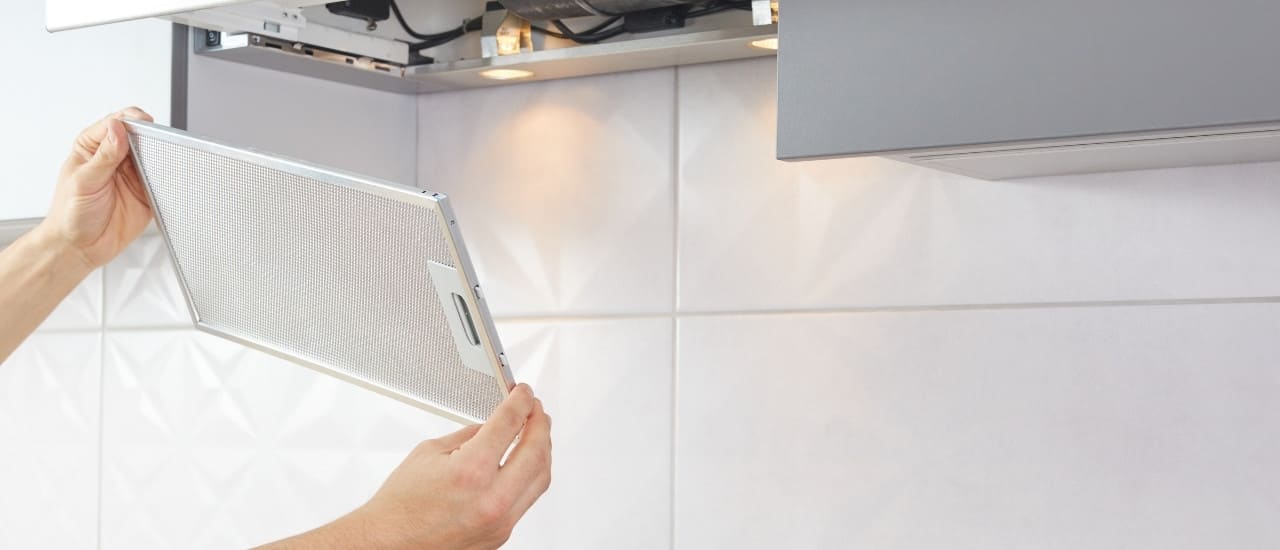
- Check Filters: The filters in your stove hood are essential for trapping grease and other contaminants. Regularly check and clean these filters to ensure they are functioning correctly. Some filters can be washed, while others may need to be replaced.
- Use the Right Cleaning Products: When cleaning the stove hood, it’s important to use grease-cutting cleaners that are safe for kitchen use. Avoid using harsh chemicals that could affect the air quality or damage the hood’s surface.
- Don’t Forget the Ducts: The ducts connected to your stove hood can also accumulate grease and dirt. If you’re wondering how to clean stove hoods effectively, don’t neglect the ductwork. Professional commercial hood cleaning services will take care of this, ensuring everything from the hood to the ducts is clean and free from hazards.
Investing in regular commercial hood cleaning brings many benefits that go beyond compliance with safety regulations. Here’s how regular cleaning can improve your restaurant:
- Fire Prevention: As mentioned earlier, grease buildup in your exhaust system is a serious fire hazard. Regular restaurant hood cleaning removes these dangerous materials, reducing the risk of fire in your kitchen. By adhering to local fire codes, you’re taking proactive steps to ensure the safety of your staff and customers.
- Improved Air Quality: A clean kitchen hood helps maintain better indoor air quality by removing smoke, odors, and greasy fumes. This creates a more comfortable environment for your staff and customers, ensuring that everyone can breathe easily in your restaurant.
- Efficiency and Energy Savings: A clean commercial hood system works more efficiently, helping your kitchen’s HVAC system perform better. This, in turn, can lead to energy savings, as the system won’t have to work as hard to circulate air.
- Longer Equipment Life: Regular restaurant hood cleaning also extends the life of your kitchen equipment. Grease buildup can cause your hood and exhaust fan to work harder than necessary, eventually leading to equipment failure. By keeping things clean, you reduce the risk of needing costly repairs or replacements.
Maintaining a clean and safe kitchen is essential for any restaurant owner, and restaurant hood cleaning is one of the most important tasks to ensure a smooth-running kitchen. By understanding the requirements for commercial hood cleaning you can keep your kitchen safe, your equipment in good condition, and your restaurant in compliance with local regulations.
Remember, regular professional restaurant hood cleaning not only helps you avoid fines and shutdowns but also ensures a healthier, safer environment for everyone in your establishment. Don’t wait until the grease starts to build up; schedule your next commercial hood cleaning today and breathe easy knowing your kitchen is safe and compliant.